
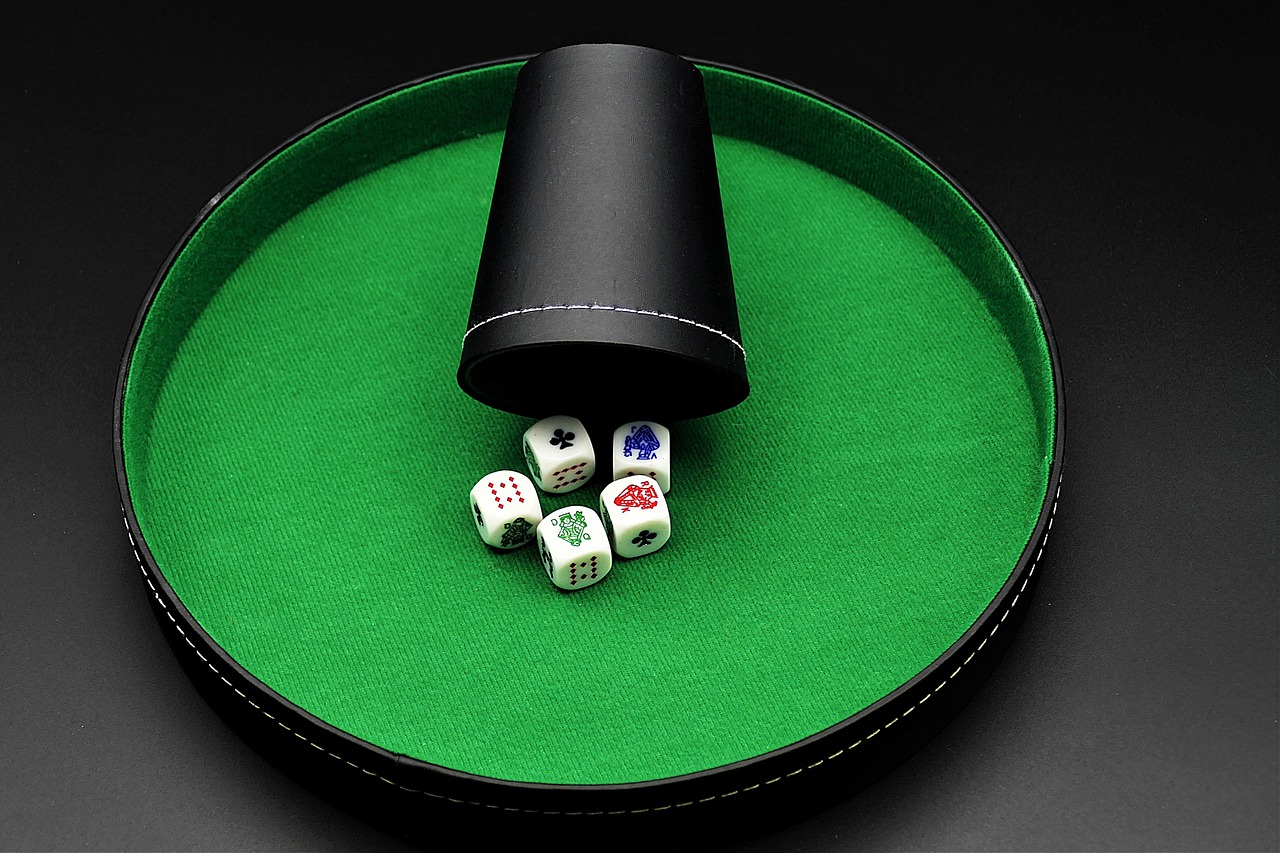



Ask ten people why they play online casino games and you'll get ten different answers. Some chase the adrenaline of a progressive jackpot spinning past the million-euro mark. Others grind low-stakes poker tables for the intellectual sparring. And a fair number just enjoy the ritual — a coffee, a laptop, and twenty minutes of blackjack before the day really starts. What almost none of them will tell you is that they're there purely for the math. Yet the math is exactly where the smartest players live.
That tension between entertainment and expected value is the entire story of iGaming in 2025. The industry has matured. Licensing regimes tightened, live dealer studios became cinematic productions, and the casual punter now has access to tools that would have made a 2010 card counter weep. Understanding how luck, skill, and house edge actually interact is the difference between a hobby you control and a hobby that controls you.
Luck Is Real, But It Isn't the Whole Menu
Let's start with the blunt truth: slots are almost pure chance. A modern video slot like Sweet Bonanza or Gates of Olympus runs on a certified random number generator, and no amount of "feeling hot" or "watching the reels breathe" changes the outcome of the next spin. The RTP — return to player — is baked in. If a slot advertises 96.20%, that figure assumes millions of spins, not your Tuesday session. Over 100 spins you might be up 40%; over a year you will, with depressing reliability, drift toward the theoretical payout.
Where slots do reward something resembling skill is in bankroll and volatility management. Two games with the same 96% RTP can behave completely differently. A low-volatility slot pays small amounts frequently; a high-volatility slot like Money Train 4 might devour 300 spins without a bonus. Choosing the wrong one for a short session is the most common self-inflicted wound in the genre.
Poker Is a Different Animal Entirely
Poker is where skill genuinely overtakes variance over time. A strong player can expect to beat a weak table by a measurable margin — typically 5 to 15 big blinds per 100 hands in live cash games, and higher online at soft stakes. That edge exists because you aren't playing against the house; you're playing against other humans, and humans leak money in predictable ways:
- Playing too many hands preflop — the classic beginner tax. Folding 80% of starting hands feels boring, but it's profitable.
- Calling instead of raising on draws with poor pot odds, effectively donating equity.
- Tilting after a bad beat — the single biggest destroyer of win rates in low-stakes games.
- Ignoring position — acting last is a structural advantage most recreational players never exploit.
If you want a concrete starting point, study preflop ranges for a month before you study anything else. It is not glamorous. It is not the solver-era content that floods YouTube. It is, however, where most of your win rate actually comes from.
The Sports Betting Awkwardness
Sports betting sits uncomfortably between the two poles. Inefficient markets — lower-league football, niche tennis, certain Asian basketball competitions — can genuinely be beaten by sharp bettors with good models. Major markets like the Premier League winner or NFL spreads are priced so efficiently that the margin for error is razor-thin. Line shopping across three or four bookmakers is not optional for anyone serious; getting 2.10 instead of 1.95 on a coin-flip bet is the entire difference between profit and loss over a season.
Live betting, cash out, and bet builders have made the experience more engaging, but they've also quietly increased the effective house edge. Bet builders especially are priced with generous margins. Treat them as entertainment products, not value bets.
Blackjack, Baccarat, and the Edge You Can Actually Shift
Table games reward discipline more than creativity. Two examples illustrate the point: If you want to dig deeper, slot 5000 is worth a look.
- Blackjack with basic strategy reduces the house edge to roughly 0.5%, assuming a standard 3:2 payout and decent rules. Deviating from basic strategy — the famous "seat-of-your-pants insurance play" — pushes that edge above 2% instantly.
- Baccarat banker bets carry a house edge of just 1.06% (after commission), while the tie bet sits around 14%. The tie looks exciting. It is a tax on excitement.
Neither game becomes beatable without counting cards or exploiting promotions, and online card counting is largely a historical curiosity now that shuffles are continuous. But playing optimally can turn a 5% bleed into a 1% bleed — and that is a meaningful difference across hundreds of sessions.
Where the Modern Player Has an Actual Advantage
The one area where today's iGaming audience genuinely holds more power than gamblers of fifteen years ago is information and bonus arithmetic. Deposit matches, free spins, and reload offers all carry real mathematical value, and most players never calculate it. A 100% match up to €200 with a 30x wagering requirement on slots is worth far more than the same bonus with 50x on table games — the effective value swings dramatically depending on the game contribution.
Similarly, loyalty programs at well-regulated operators sometimes return 0.5% to 1% of wagering in comps. Ignore it and you're simply leaving money on the table. These edges are small. But the difference between a 96% RTP slot and a 96% RTP slot with 0.8% effective comps is the difference between the house winning by 4% and by 3.2%. Over a year, that matters.
A Few Ground Rules Worth Tattooing on Your Brain
- Never chase. The next spin is statistically identical to the last.
- Set a loss limit before you open the app, not after you're down.
- Treat bonuses as math problems, not gifts.
- If you're playing poker or betting sports seriously, track every hand, every wager. Untracked is unimproving.
- Licensed operators in reputable jurisdictions have dispute mechanisms. Avoid the ones that don't.
The house always wins is a useful slogan, but it isn't an absolute. It's an averaging statement, and every player gets to decide whether they want to sit at average or slightly above it. Slots will take their cut regardless of how clever you feel. Poker and sports betting will hand an edge to anyone willing to do the dull work of study and record-keeping. And casino games like blackjack and baccarat will quietly reward players who simply refuse to improvise.
None of this promises profit. The industry is built to ensure it doesn't. But it does promise something better than blind hope: a framework for making smarter decisions with the same money, in the same games, on the same Friday night. That framework — not the jackpot, not the hero call, not the perfect parlay — is the real skill hiding inside iGaming. The players who find it treat the hobby as a cost-managed entertainment expense with occasional upside, not a lottery ticket with extra steps. And frankly, they tend to enjoy it more.
Related posts
More stories you’ll love reading