
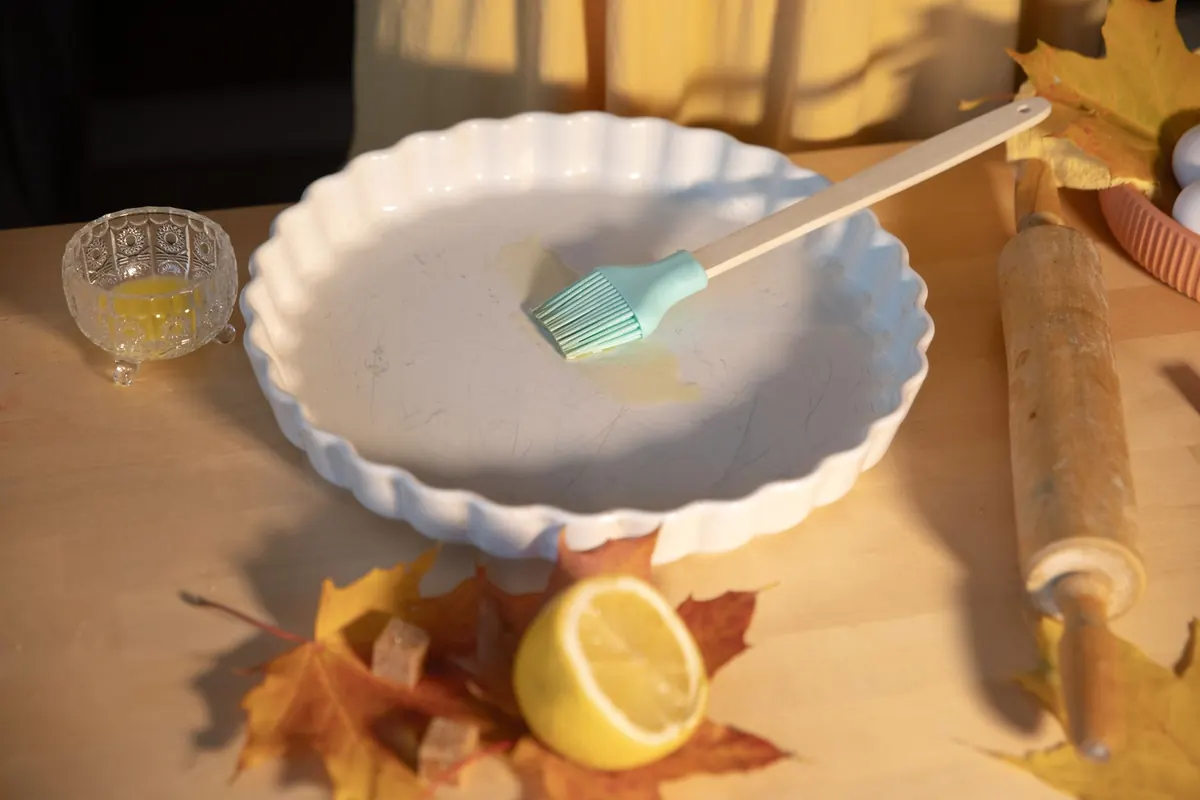
British baking is a calendar you can eat. Forced rhubarb turns up while the weather is still grim, strawberries land just in time for tennis, and by the time the clocks go back the kitchen smells of treacle and ginger. Bake with the seasons and you get better ingredients, cheaper shopping, and a rhythm that makes the year feel deliberate rather than accidental.
What follows is the British baking year as it actually runs: which produce is worth waiting for, which holidays have a bake attached to them, and where a little forward planning pays off.
Spring: Rhubarb, Easter and the First Fresh Eggs
January and February belong to two things: Seville oranges and forced rhubarb. Seville oranges have a short window, usually January into February, and they are bitter in a way that sweet oranges simply are not, which is exactly why marmalade made from them sets with a clean, sharp edge. Buy a box, set aside an afternoon, and make the whole batch in one go. Forced rhubarb, grown in dark sheds in Yorkshire, is tender, pink and far less stringy than the outdoor crop that follows. Roast it with orange zest and a little sugar before folding it into a crumble or a custard tart; raw rhubarb in a batter releases too much water.
Then comes Easter. Hot cross buns are a two-day affair if you want them properly soft: mix the enriched dough the night before, let it prove slowly in the fridge, and bake on Good Friday morning. Simnel cake, a light fruit cake with a layer of marzipan baked through the middle and another toasted on top, belongs to Mothering Sunday and Easter. Welsh cakes on 1 March and bara brith for St David's Day are worth the effort if you fancy a change from the usual tea table.
Early Summer: Elderflower, Gooseberries and the First Strawberries
Late May and June is the happiest stretch of the year for a baker. Elderflowers appear in hedgerows for a few weeks only, and a spoonful of homemade cordial turns a plain lemon loaf into something people ask about. Steep the flower heads in hot syrup for no more than a day or the perfume turns to soap.
Gooseberries follow in June and July. They are high in pectin, which makes them reliable for jam, and their tartness cuts through cream beautifully in a fool or a crumble. If you bake with them, top and tail first, and taste as you go: early gooseberries need noticeably more sugar than the ones picked at the end of the season.
Strawberries arrive properly in June. They bleed into sponge batter, so toss them in a spoonful of flour first, or keep them for the assembly rather than the bake. A strawberry and elderflower layer cake, or simply scones with cream and jam, is the correct response to a warm afternoon.
Late Summer and Early Autumn: Plums, Damsons and Brambles
Raspberries run from midsummer into September and sit naturally with almonds, which is why a raspberry and almond traybake is such a dependable thing to have in the tin. Blackberries start in late August and carry on into September; pair them with apple and you have the crumble that defines the turning of the year.
Plums and damsons arrive in September. Damsons are too sharp for eating raw but make extraordinary jam, and a plum frangipane tart is one of the easiest impressive puddings in the repertoire. If you have a glut, cook the fruit down with a little sugar and freeze it in flat bags.
Autumn: Apples, Parkin and Bonfire Night
Apple season is the backbone of British baking. Bramleys break down into sauce and belong in pies, crumbles and Eve's pudding; Coxes and russets hold their shape and are better for a Dorset apple cake or an upside-down cake. Buy a mix and use each for what it does best.
Soul cakes, small spiced buns marked with a cross and studded with currants, are a traditional Halloween bake and a good excuse to get the mixed spice out early. Parkin, the Yorkshire oatmeal and black treacle cake, is made for 5 November. Bake it a few days ahead: it is sticky and unremarkable on day one and considerably better by day four, wrapped in baking paper and kept in a tin.
Winter: Marmalade Season, Mince Pies and the Christmas Slog
Twelfth Night cake on 6 January closes the Christmas season, and then the marmalade pan comes out again. From late October onwards, the serious work begins: Christmas cake and pudding are both better for a long rest, so bake the cake in October or early November and feed it with a spoonful of brandy or sherry every week or so.
Mincemeat made in October has time to mature before December. Mince pies, stollen, a Yule log and a tin of shortbread for Hogmanay will see you through the month, and by Boxing Day most bakers are ready to stop. That is fine. January is for marmalade and toast.
The Baker's Year at a Glance
- January — Seville orange marmalade, forced rhubarb, Twelfth Night cake
- February — more marmalade, rhubarb tarts, lemon bakes for Shrove Tuesday
- March — Welsh cakes and bara brith, simnel cake, hot cross buns
- April — Easter biscuits, simnel cake, last of the forced rhubarb
- May — elderflower cordial bakes, asparagus and cheese tarts, early strawberries
- June — strawberry cakes and scones, gooseberry fool and jam
- July — raspberries, cherries, gooseberries, summer puddings
- August — courgette and lime cake, blackberries, early plums
- September — damsons, blackberry and apple crumble, plum frangipane
- October — apple cakes, pear and hazelnut tarts, make the mincemeat and Christmas cake
- November — parkin, gingerbread, feed the Christmas cake
- December — mince pies, stollen, Yule log, shortbread
How to Bake Seasonally Without Chasing Your Tail
Seasonal baking works best when you plan two moves ahead rather than one. Buy fruit in quantity when it is cheap and good, then decide within a day whether it is for eating, freezing or jam. Soft fruit freezes well in a single layer on a tray before bagging, and frozen berries are perfectly good in crumbles, muffins and compotes — just not in a tart where you want neat, dry fruit.
Keep a standing pantry so a seasonal glut can become a bake without a shopping trip: plain and self-raising flour, caster and light muscovado sugar, ground almonds, mixed spice, mixed peel, baking paper, suet or a vegetarian alternative, black treacle, and a jar of marzipan in the cupboard from October onwards.
Finally, treat the calendar as a prompt, not a rule. If the rhubarb is gone before you get to it, bake something else. If you are cooking for someone with an allergy, check labels on marzipan, mincemeat and dried fruit carefully, and adapt rather than guess. The point is to cook with what is genuinely good right now, and to enjoy it while it lasts.
Photo: olga Volkovitskaia / Pexels
Related posts
More stories you’ll love reading